Private Label Adaptive Basics for Children and Adults
Simple everyday layers combining easy dressing with sensory-conscious details.
- Minimum order
- 100 pieces per style, per color, with a mix of 4 sizes
- Sample development
- 7–12 days for simple styles; 15–20 days for complex styles
- Bulk production
- Calculated according to style and order quantity
Balance dressing access with everyday contact details
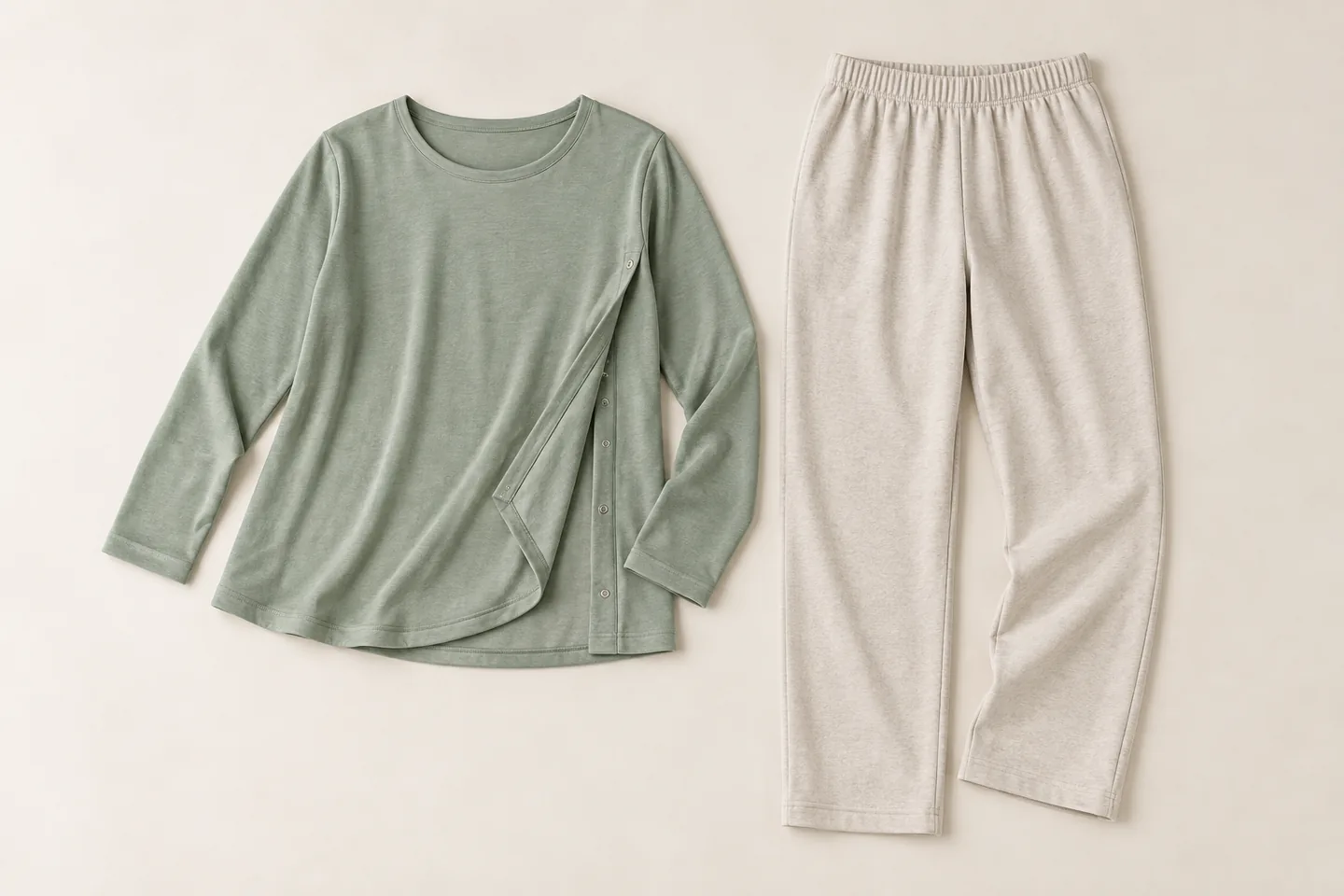
Private label adaptive basics combine a defined dressing routine with fit, fabric and construction decisions. For children’s and adult ranges, explain whether the wearer dresses independently or with assistance, then review where an opening helps and where extra hardware would add unwanted contact.
- Describe the dressing sequence
- Show how the garment is put on and taken off, including any position or reach limitations relevant to its design. Name the opening location and describe who operates it. Use garment instructions and reference drawings; medical records are not needed to explain a closure brief.
- Choose openings for a clear purpose
- An opening should solve an identified dressing step. Review access, overlap and closure bulk together rather than adding fasteners by default. Ask for the proposed construction to be confirmed on a sample before assuming it can be repeated throughout the range.
- Keep sensory and access requirements visible
- List fabric texture, label location, seam position and waistband preferences alongside the opening requirements. A closure that improves access may add bulk; record which requirement takes priority and what sample feedback would justify a change.
- Approve each fit block
- Children’s and adult ranges need separate measurement references. Identify standing or seated fit considerations where relevant and record ease and garment length against the intended use. Send a style-and-colour quantity breakdown; the minimum is 100 pieces per style and colour, with a mix of 4 sizes.
What to include in your enquiry
- A drawing or reference garment showing the dressing sequence and proposed openings.
- Separate children’s or adult fit charts and relevant standing or seated dimensions.
- Ranked priorities for access, fabric, labels, seams and closure contact.
- Style and colour quantities, four-size allocation, branding and packing requirements.
The details that shape the garment.
- Available materials
- Soft stretch jersey. Final composition and weight are confirmed during sourcing.
- Construction details
- Choose openings only where they improve the dressing routine; keep closure bulk away from high-contact areas.
- Customization options
- Easy dressing, Tagless options, Consistent fit. Send reference images and measurements to define the final layout.
- Logo options
- Embroidery, print or heat-transfer options are reviewed for compatibility with the fabric and care routine.
- Color options
- Provide a physical swatch or recognized color reference; approve the selected fabric shade before production.
- Size options
- Buyer-defined measurements and size grading. Specify your destination market, fit block and size allocation.
Your specification. Our development support.
Supply a complete tech pack for OEM, or use ODM support to resolve patterns, materials and construction from a product concept. Private labeling can be included in either route.
Plan the next step.
What should we specify for custom adaptive basics?
Rank opening access, texture, seam position and fit priorities so development can resolve tradeoffs.
How is the construction reviewed?
Choose openings only where they improve the dressing routine; keep closure bulk away from high-contact areas.
What are the MOQ and sampling times?
MOQ: 100 pieces per style, per color, with a mix of 4 sizes. Sampling: 7–12 days for simple styles; 15–20 days for complex styles. Bulk production: Calculated according to style and order quantity.
Are adaptive clothing and sensory-friendly clothing the same?
They can overlap, but the brief addresses different needs. Adaptive clothing may change openings or fit to support dressing access; sensory-friendly development considers contact details such as fabric, labels and seams. Specify both sets of requirements when your range needs both.
Can adaptive basics be developed under our own label?
Yes. Send the garment brief with brand artwork, information-label placement and packing requirements. Construction, fit and branding are reviewed together through samples before bulk details are confirmed.
Related products
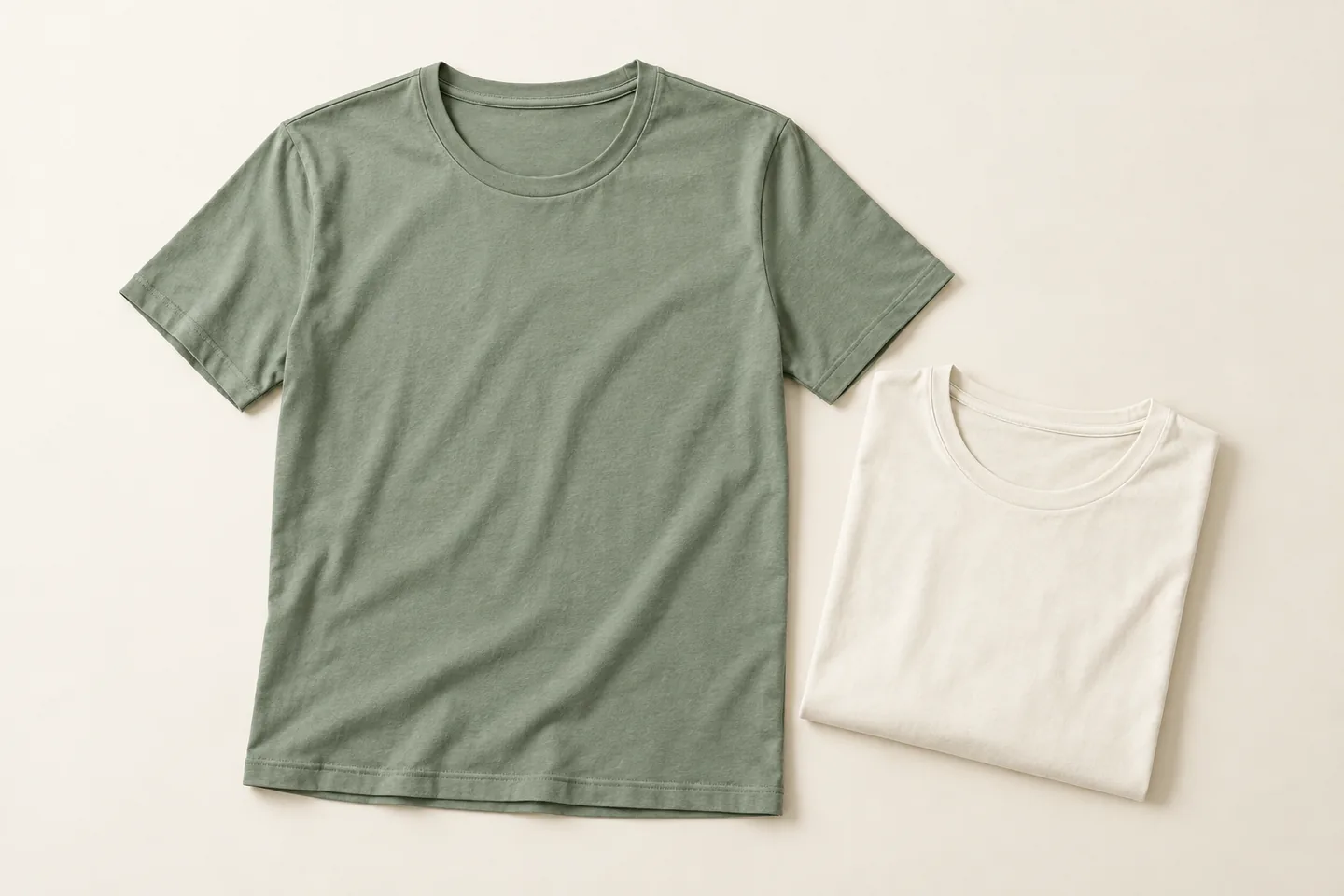
Tagless T-Shirts
Private label tagless T-shirts for children's and adult ranges. Develop the neck-label solution, soft jersey and seam finish together, using separate fit measurements and wearer feedback.
Explore product ↗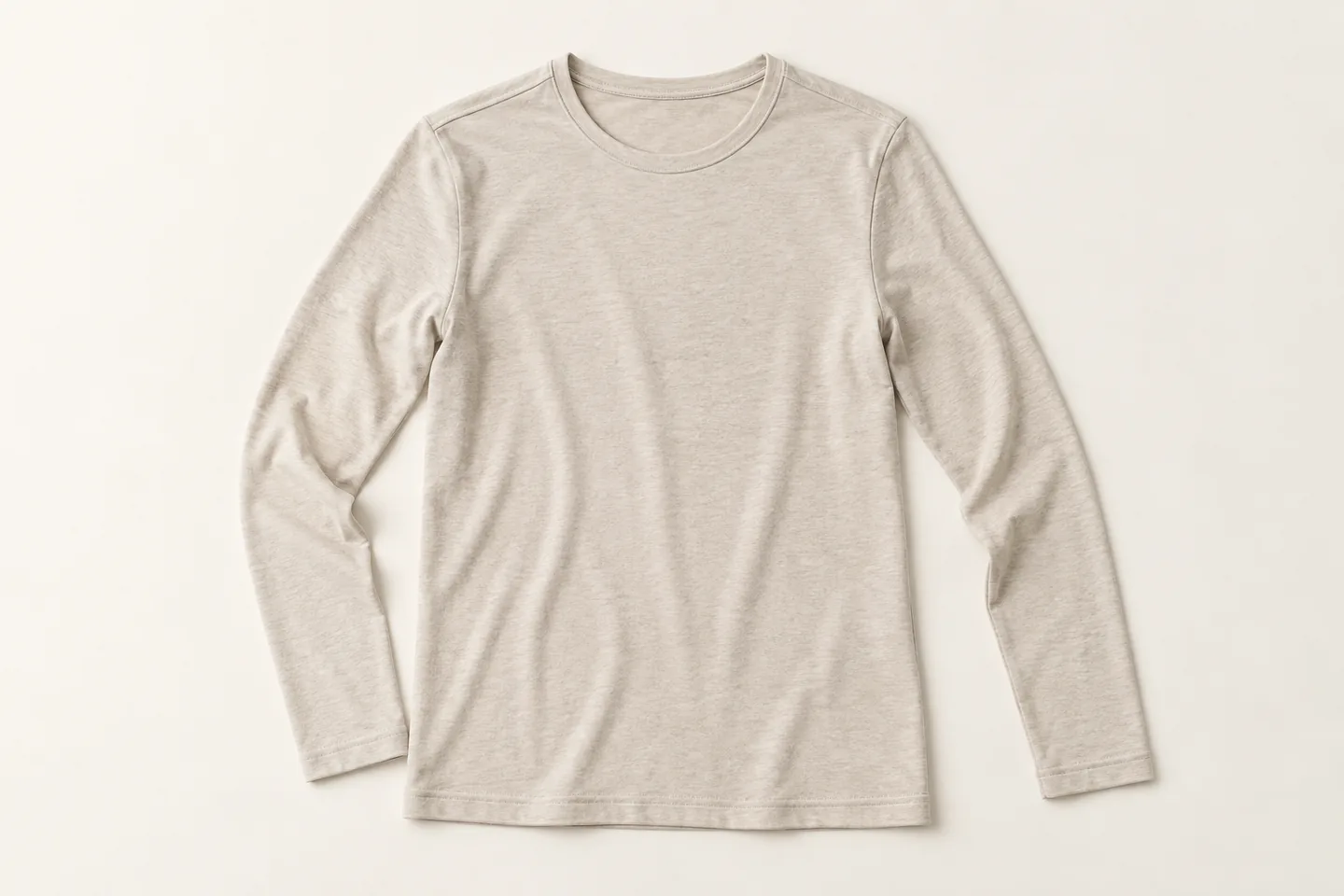
Seamless & Low-Seam Tops
Comfort-focused tops developed with reduced seam contact as the primary design objective.
Explore product ↗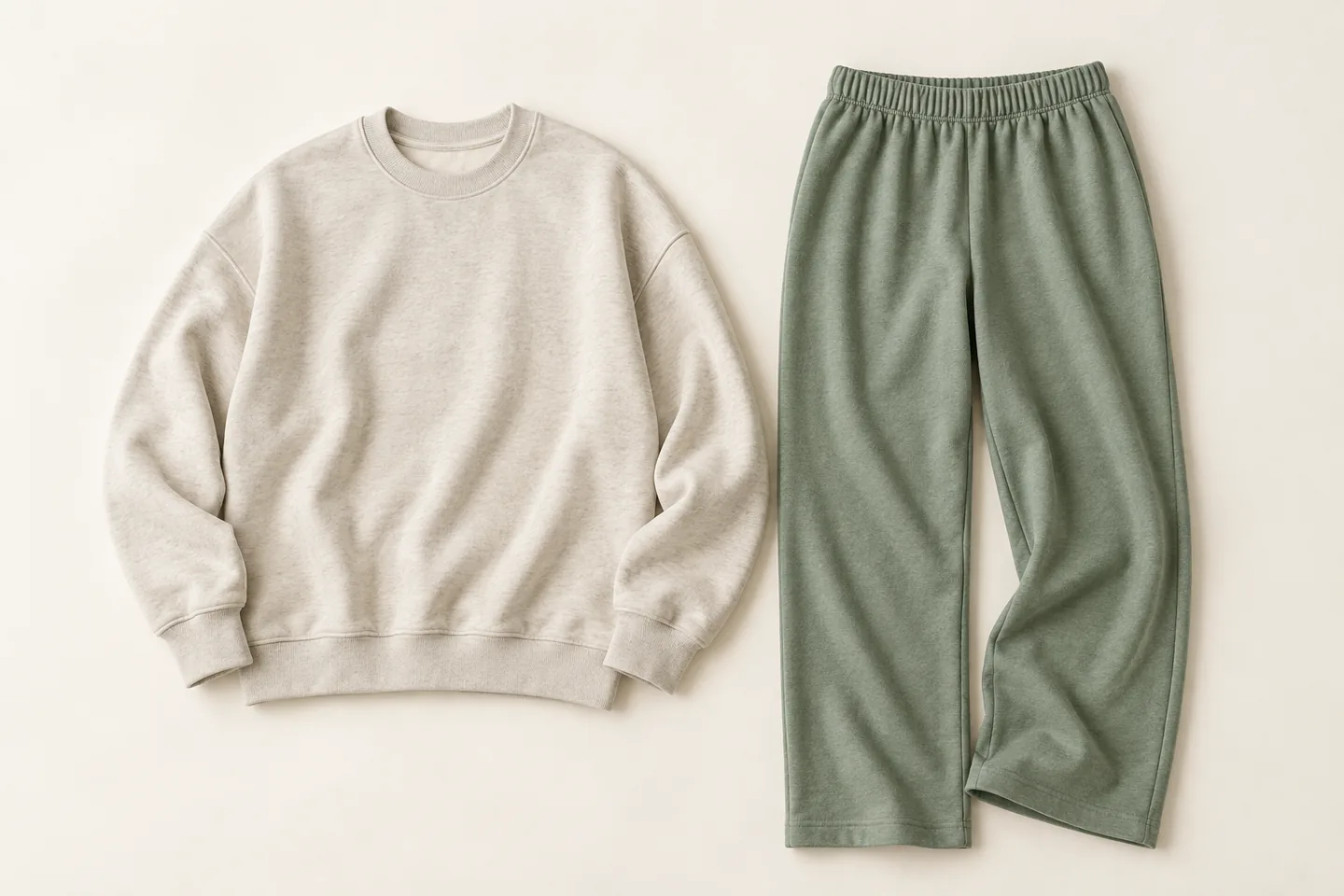
Soft Clothing
Custom soft clothing for children and adults, developed around fabric feel, neckline, waistband and seam preferences. Compare material options and review finished samples before confirming your private label range.
Explore product ↗Start a custom apparel conversation.
Have a tech pack, reference image or product idea? Send the essentials and we will help you plan material, construction and sampling options.