Custom Low-Seam Tops for Sensory-Friendly Ranges
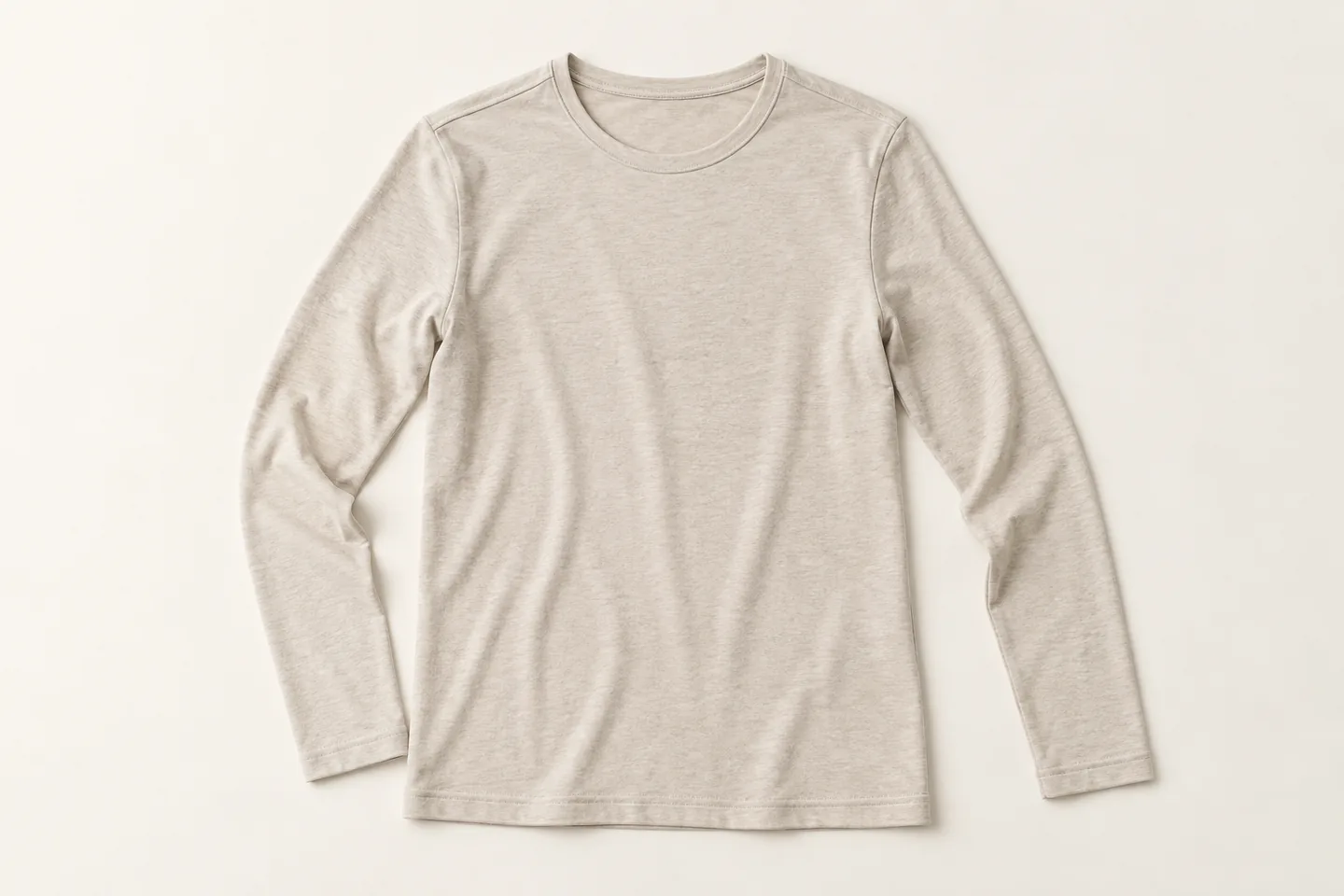
Comfort-focused tops developed with reduced seam contact as the primary design objective.
- Minimum order
- 100 pieces per style, per color, with a mix of 4 sizes
- Sample development
- 7–12 days for simple styles; 15–20 days for complex styles
- Bulk production
- Calculated according to style and order quantity
Specify seam contact before choosing the construction
For a sensory-friendly top, define where seams contact the body and which locations need a different finish. A low-seam or low-bulk construction brief is different from a requirement for true seamless knitting. Our development review starts with the intended garment and confirms feasibility before a construction is promised.
- Map the contact zones
- Mark the shoulders, side seams, neckline, underarm and hem on a drawing. Indicate which seams may be moved, which need a flatter finish and whether appearance on the outside can change. Keep the request specific to the garment rather than treating every seam as the same problem.
- Define low-seam versus seamless
- Reducing the number of seams, moving a seam and using a flatter finish are separate choices. They do not automatically produce a fully seamless garment. If true seamless knitting is essential, state it as a required construction for feasibility review; do not approve a cut-and-sew sample as an equivalent without your agreement.
- Evaluate the material with the finish
- Compare seam thickness, thread contact and stretch on the selected fabric. Review folded edges and bindings as well as the main seams. Retain the swatch and sample version so feedback about the surface or edge can be traced to the actual construction.
- Review fit and care separately
- Provide children’s and adult measurement charts separately. Record the agreed care routine and compare the same seams and openings afterwards. A visual seam check does not establish a universal comfort outcome or replace any requested laboratory evidence.
What to include in your enquiry
- Style drawings with marked contact zones and acceptable seam positions.
- A statement of whether true seamless knitting is essential or alternatives may be reviewed.
- Separate age-range measurements, material reference and intended care routine.
- Quantities per style and colour, four-size allocation and destination.
The details that shape the garment.
- Available materials
- Soft stretch knit fabrics. Final composition and weight are confirmed during sourcing.
- Construction details
- Review whether the brief needs true seamless knitting or a flat-seam construction; feasibility depends on available fabric and equipment.
- Customization options
- Reduced seam contact, Flat seam alternatives, Smooth neckline finishes. Send reference images and measurements to define the final layout.
- Logo options
- Embroidery, print or heat-transfer options are reviewed for compatibility with the fabric and care routine.
- Color options
- Provide a physical swatch or recognized color reference; approve the selected fabric shade before production.
- Size options
- Buyer-defined measurements and size grading. Specify your destination market, fit block and size allocation.
Your specification. Our development support.
Supply a complete tech pack for OEM, or use ODM support to resolve patterns, materials and construction from a product concept. Private labeling can be included in either route.
Plan the next step.
What should we specify for custom seamless & low-seam tops?
Identify sensitive contact zones and confirm whether reduced seams meet the brief or true seamless construction is essential.
How is the construction reviewed?
Review whether the brief needs true seamless knitting or a flat-seam construction; feasibility depends on available fabric and equipment.
What are the MOQ and sampling times?
MOQ: 100 pieces per style, per color, with a mix of 4 sizes. Sampling: 7–12 days for simple styles; 15–20 days for complex styles. Bulk production: Calculated according to style and order quantity.
Does a low-seam top mean it has no seams?
No. Low-seam development can reduce or reposition seams or review a flatter finish. True seamless knitting is a different construction requirement and needs a separate feasibility review.
Can a tagless neckline replace a seam review?
No. Tagless describes the label arrangement. The shoulder, side, neckline and hem construction still need to be reviewed on the garment sample.
Related products
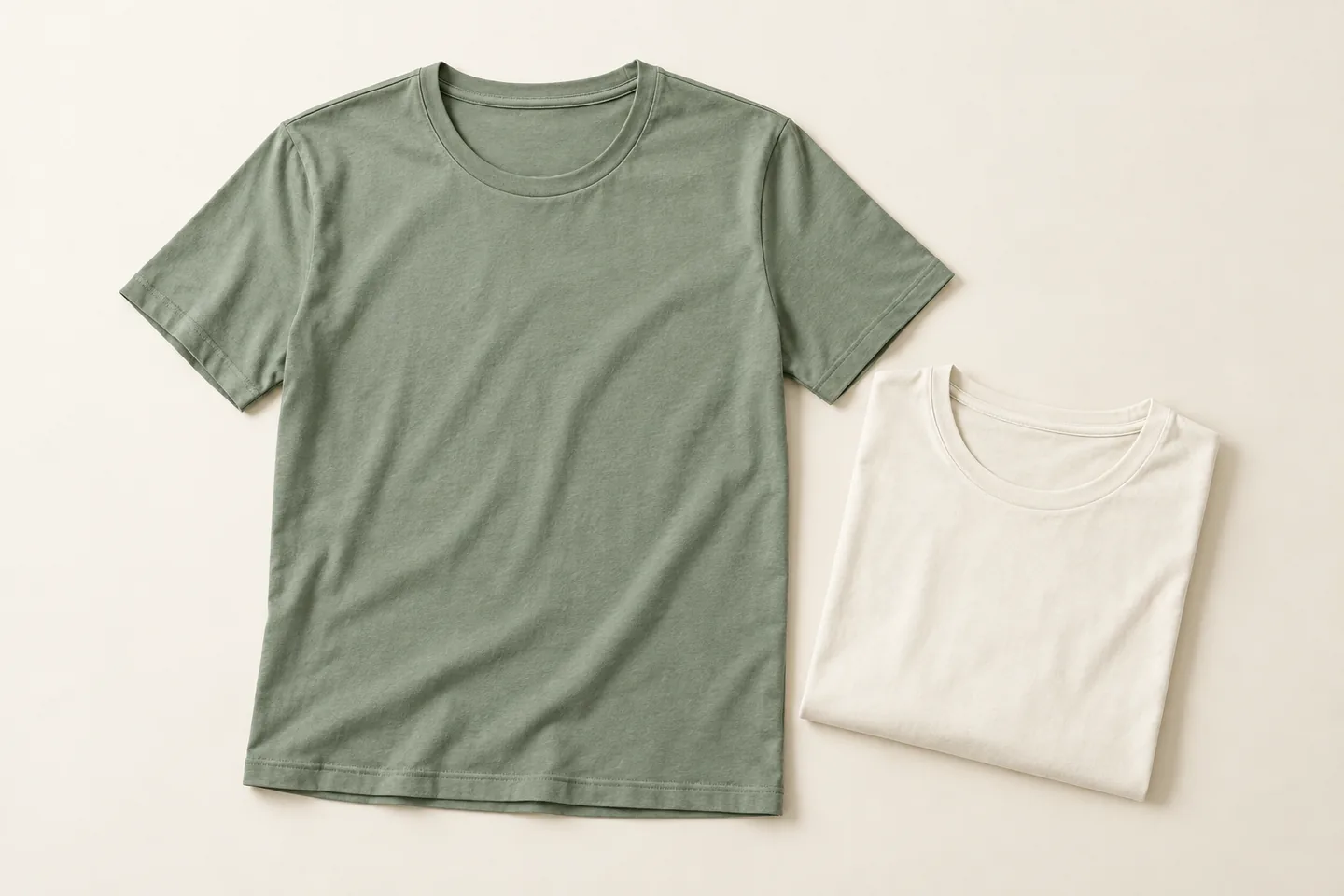
Tagless T-Shirts
Private label tagless T-shirts for children's and adult ranges. Develop the neck-label solution, soft jersey and seam finish together, using separate fit measurements and wearer feedback.
Explore product ↗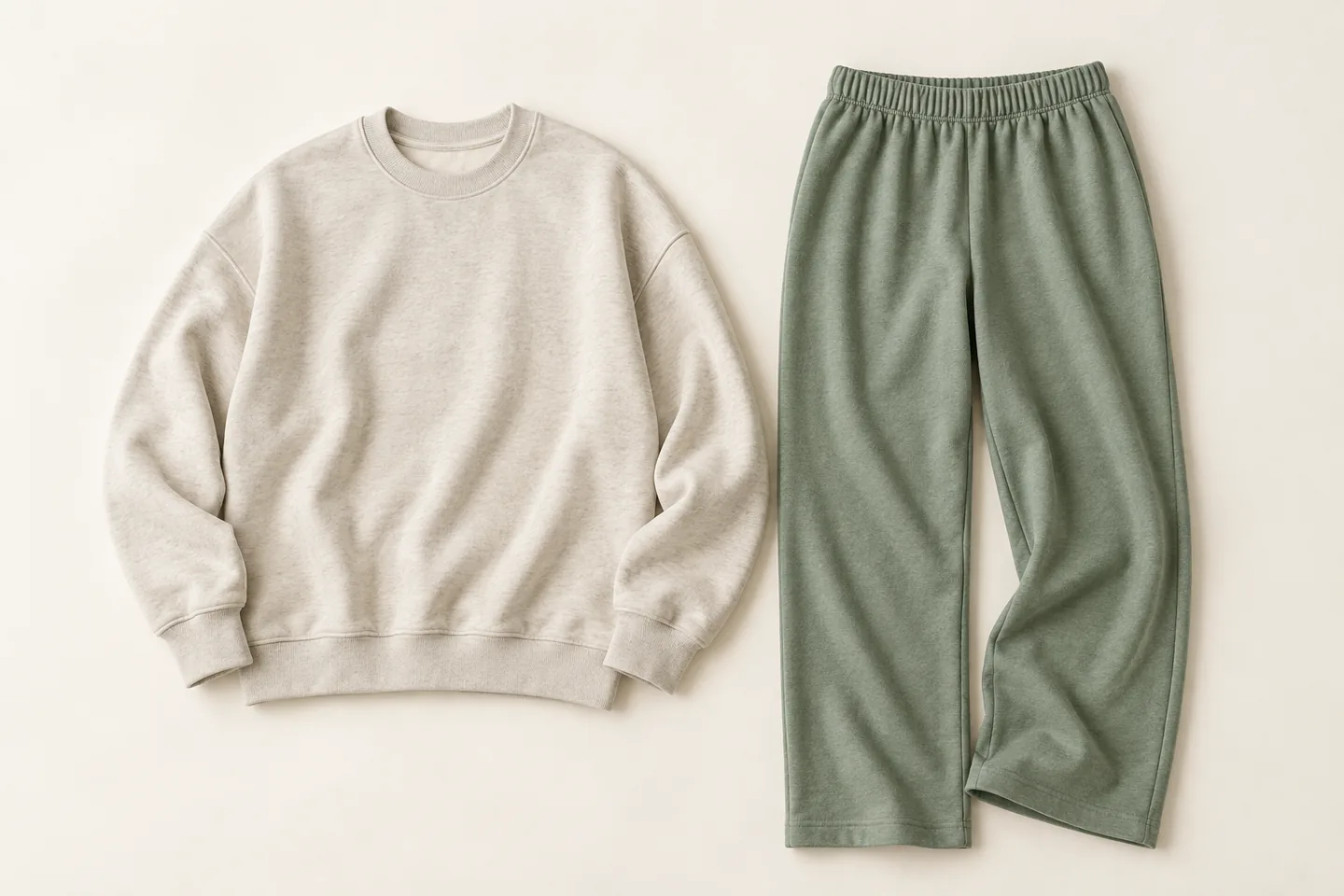
Soft Clothing
Custom soft clothing for children and adults, developed around fabric feel, neckline, waistband and seam preferences. Compare material options and review finished samples before confirming your private label range.
Explore product ↗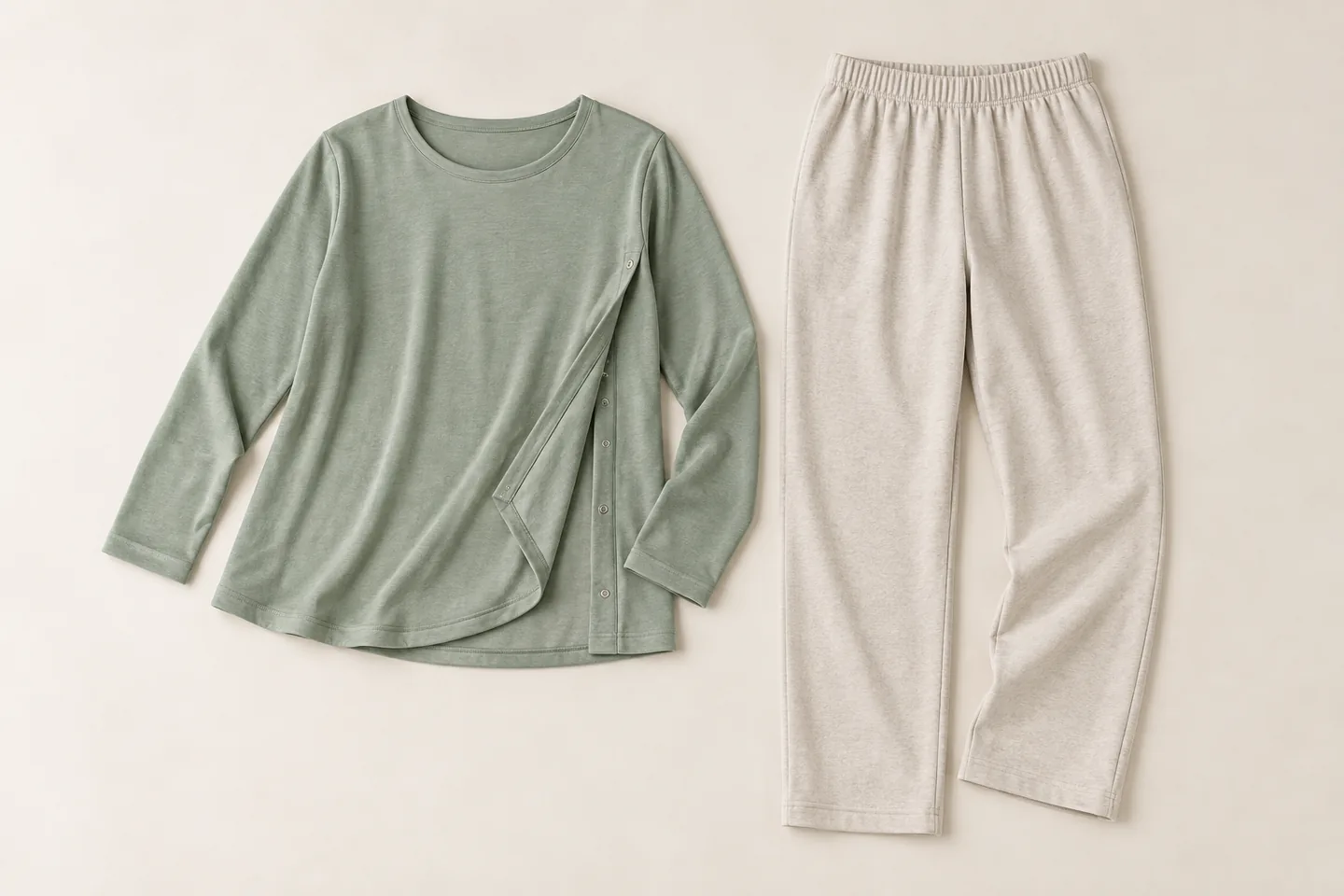
Adaptive Basics
Simple everyday layers combining easy dressing with sensory-conscious details.
Explore product ↗Start a custom apparel conversation.
Have a tech pack, reference image or product idea? Send the essentials and we will help you plan material, construction and sampling options.