BUILT TO YOUR SPECIFICATION. MADE FOR YOUR PEOPLE.OEM / ODM · PRIVATE LABEL · 100 PCS / STYLE / COLOR
Private Label

Private Label Clothing Manufacturer for Your Brand

Develop branded schoolwear and sensory-friendly clothing with our factory in Dongguan, China. Agree garment specifications, logos, label placement and packing together, with a minimum of 100 pieces per style and colour across 4 mixed sizes.

YOUR PRODUCT DEVELOPMENT PATH

Build a private label range around the garment and the wearer

Private label development connects your brand identity to a defined garment specification. Start with the intended range, quantities and fit; then resolve artwork, information labels and packaging on the selected material. Brand approval and garment approval should refer to the same sample version.

Schoolwear brands and uniform suppliers

Prepare a school-colour reference, crest artwork and garment-by-garment placement drawings. Decide which labels identify the school, your brand and the garment size. Approve embroidery backing or printed decoration on the actual shirt, trousers or sportswear material, including smaller sizes.

Children’s and adult sensory-friendly brands

Define which label contact points the design should avoid and where product information will appear instead. Compare transfer-label placement, surface feel and seam position on the physical sample. Keep children’s and adult measurements separate; a tagless neckline does not establish that the whole garment is seamless.
1. Identify the brand assets
Send editable artwork or a clear PDF, logo dimensions, placement measurements and colour references. Mark customer-owned school crests or other artwork that you are authorised to use. Keep one named artwork revision with the garment style code.
2. Keep label content separate from label construction
Specify the brand mark, size, composition, care information, languages and destination requirements supplied for the project. Then agree the physical label or print, its dimensions and position. Changing a sewn label to a transfer still requires a complete information and placement brief.
3. Approve a packing example
State whether garments are packed individually or as paired items. Provide barcode data, size stickers, bag artwork and carton marking instructions where needed. Match one packing example to the approved style, colour and size record before confirming the order.
4. Confirm quantities and retain the reference
The garment minimum is 100 pieces per style, per color, with a mix of 4 sizes. Custom labels, trims or packaging can have separate sourcing constraints that need review. Keep the approved garment, label artwork and packing instructions together for a later reorder; confirm material availability and timing again.

Keep the brief and the approval record together

Download the private label development brief (TXT) ↓

Download and complete the sheet, then email it with your reference files to yiwunaishiclothing@163.com. Downloading does not submit an enquiry.

BEFORE YOU ENQUIRE

Development questions, answered.

Does private label mean the factory designs the garment?

Not necessarily. Private label defines brand-facing details such as logos, labels and packing. It can accompany OEM production from your specification or ODM development from a less complete concept. Identify which design decisions are already resolved in the enquiry.

Can a private label range include both children’s and adult clothing?

Yes, we review both children’s and adult development briefs. Provide separate fit references and measurement charts, then confirm the style-and-colour quantities for each range. Do not assume that one approved pattern covers both.

Can all required information be removed to make a garment tagless?

The brief should identify an alternative placement or format for the required product and care information. Tagless development reviews sewn-label contact points; it is not a reason to omit the information specified for the destination market.

YOUR STARTING POINT

What to send.

01

Brand guidelines and vector artwork

02

Label content and placement

03

Packaging and barcode requirements

04

Destination labeling requirements

DEVELOPMENT CHECKPOINTS

What to review.

01

Branding method review

02

Artwork and placement approval

03

Label and packaging sample

04

Production reference set

Decisions to resolve early

Choose decoration around the fabric and end use. Embroidery adds texture and weight; print methods and heat-transfer labels need compatibility checks on the actual fabric.

What approval should cover

Approve care and fiber labels for the destination market. Provide required legal text and translations for review before labels are produced.

Minimum order
100 pieces per style, per color, with a mix of 4 sizes
Sample development
7–12 days for simple styles; 15–20 days for complex styles
Bulk production
Calculated according to style and order quantity
Request a Quote
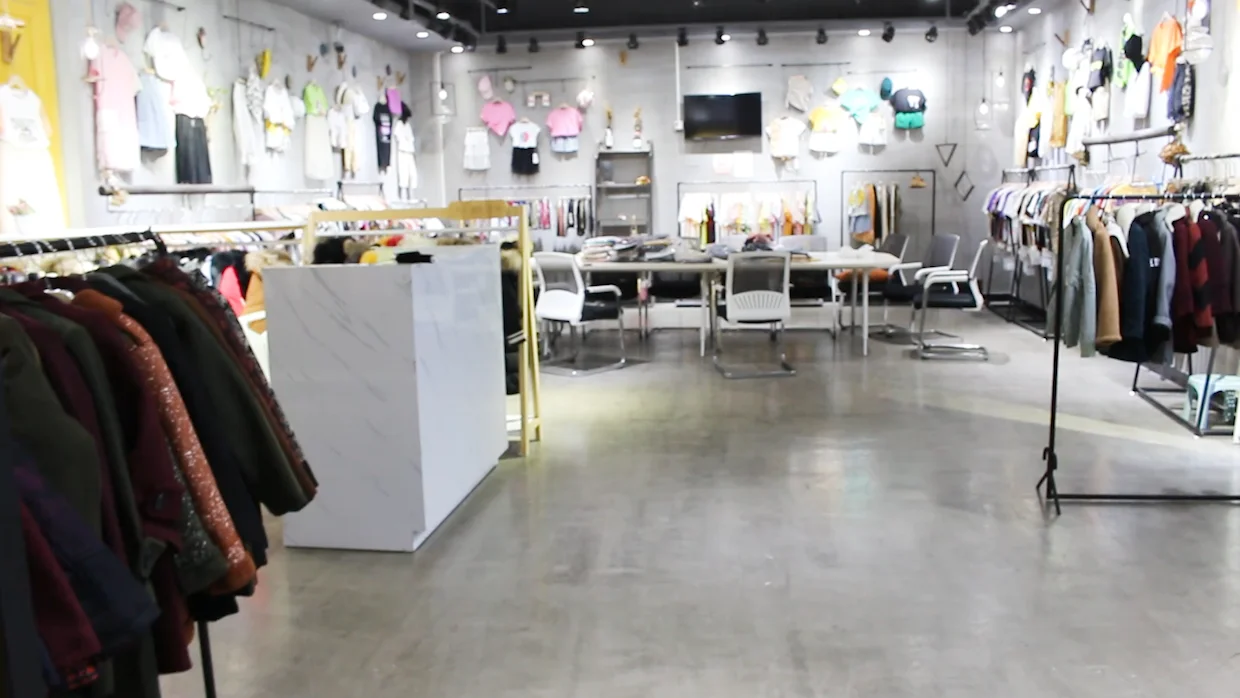
Garment samples and development workspace
TELL US WHAT YOU ARE PLANNING

Start a custom apparel conversation.

Have a tech pack, reference image or product idea? Send the essentials and we will help you plan material, construction and sampling options.

Request a Quote